

RESTORATION WITHOUT COMPROMISE
From stonework to structure, each decision has honoured the manor's history.
The house has passed down through the de Carteret family for over 30 generations, and the family does not see themselves as owners of the property, but merely its custodians. Their mission is to keep the Manor and surrounding grounds in good condition for future generations to inherit. Above all, they seek to preserve the ancient heritage of the house and enhance it through sensitive repairs and restoration.
Wherever possible, restoration work at the Manor is carried out in partnership with original makers and specialist craftspeople. Stonemasons, joiners, and conservators have applied techniques which echo those used in the house over the centuries. This commitment ensures that all works are undertaken with the highest integrity, using materials and methods sympathetic to the Manor's age and character, so that its history is not merely maintained, but genuinely continued.
OUR COMMITMENT
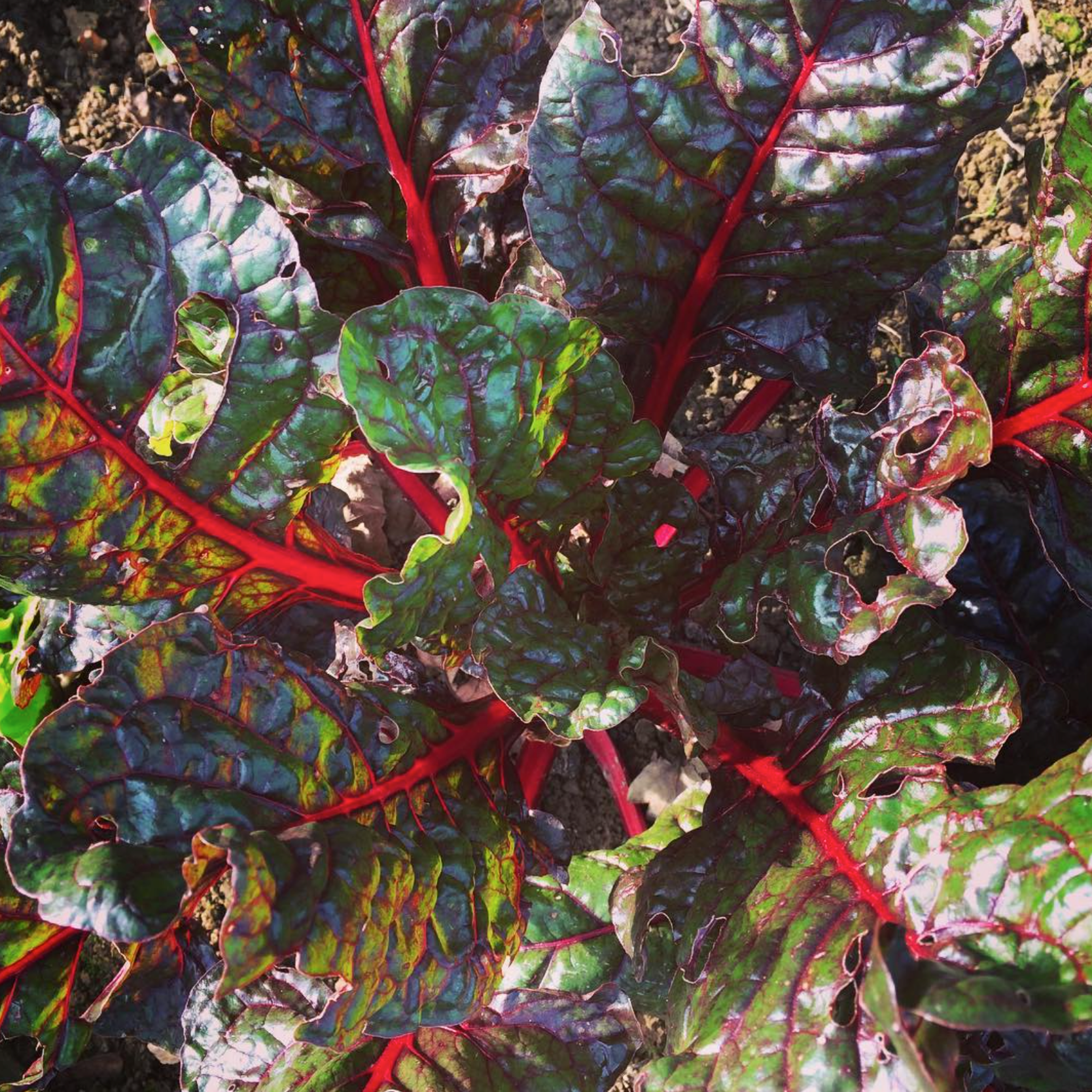
“We are passionate about preserving the Manor, not just its outstanding heritage (the house is Grade 1 listed), but also its beautiful setting. The house is surrounded by parkland, gardens and woodland in which we seek to nurture our natural environment in all its forms. We have planted dozens of trees, thousands of bulbs and acres of wild flower meadows to support and encourage the wonderful wildlife that has made our estate their home, particularly the owls, buzzards, bats and red squirrels.
In addition, we are keen to support the local community and charities by welcoming them to use the property for events and functions. We have huge fun in hosting events for charities such as Music in Action and Brighter Futures to help them further their programmes.”
Charles & Georgina Malet de Carteret
HERITAGE
Loyal Devoir: a promise kept for eight hundred years.
The de Carteret family originated in Normandy but has been living in Jersey since at least 1125, as evidenced by a Charter under which Philippe de Carteret gave land in Jersey to the monks at the Abbey of Mont St Michel. The family’s pedigree goes back even further, with two family members appearing on the roll of the Battle of Hastings.
A defining moment in the family's history came in 1204, when King John lost Normandy to the French crown. Where many Norman landholders chose allegiance to France, the de Carterets remained loyal to the English crown, forfeiting their continental estates in the process. It was from this steadfastness, tradition holds, that the family took its enduring motto: Loyal Devoir. St Ouen's Manor itself is believed to date from around this period, built, in part, as a seat from which the Seigneur could fulfil his feudal duties.
The centuries that followed saw the de Carterets rise to become one of the most influential families in Jersey's history, producing generations of Bailiffs and Jurats. Their fortunes reached particular heights in the seventeenth century under Sir George Carteret, whose loyal service to King Charles I during the English Civil War was rewarded handsomely at the Restoration of King Charles II in 1660, including a one half interest in the American state of New Jersey, named in honour of his defence of the island.
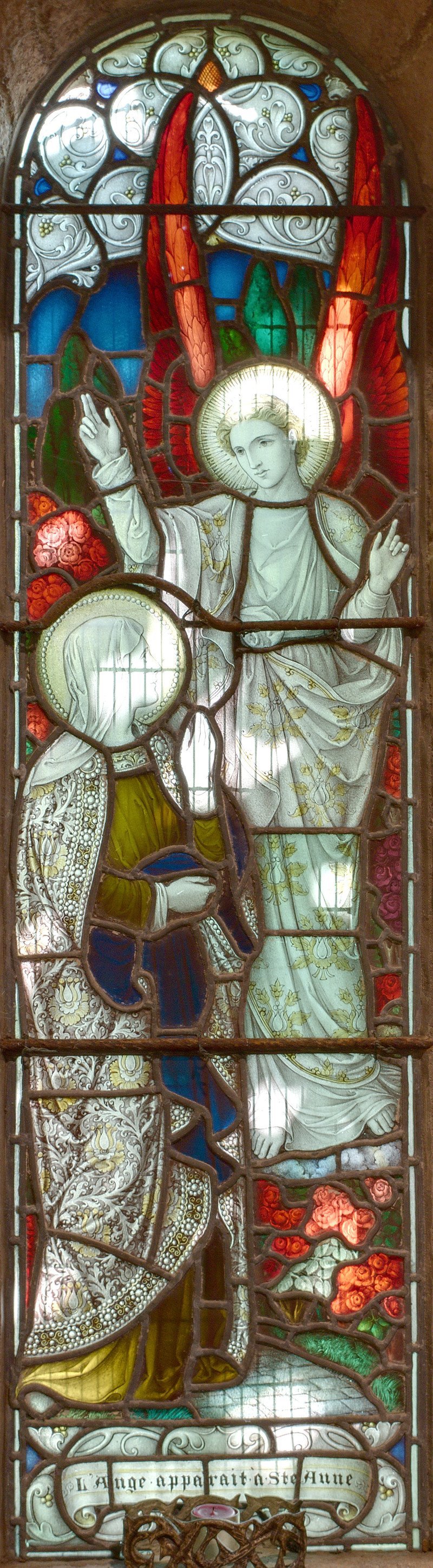
Architecturally, the Manor bears the marks of every era it has lived through. Its oldest surviving portion, the Great Hall, dates to the fourteenth century. In the seventeenth century, two Jacobean wings were added on either side of the Hall, reflecting the family's growing status. The nineteenth century brought a further chapter of expansion, with substantial renovation to the house and extensive landscaping across the grounds. This included giving the Manor one of its most treasured features, the stained glass windows by Henry Thomas Bosdet, still visible today in both the Great Hall and St Anne's Chapel.
In the eighteenth century the house passed through the female line until 1859, when the current owner’s great great grandfather Edward Charles Mallet changed his name to Malet de Carteret, a name the family carries to this day. St Ouen's Manor is one of the very few houses in Europe still in the hands of the same family that built it over 800 years ago; a living link between the feudal Jersey of the twelfth century and the Jersey of today.